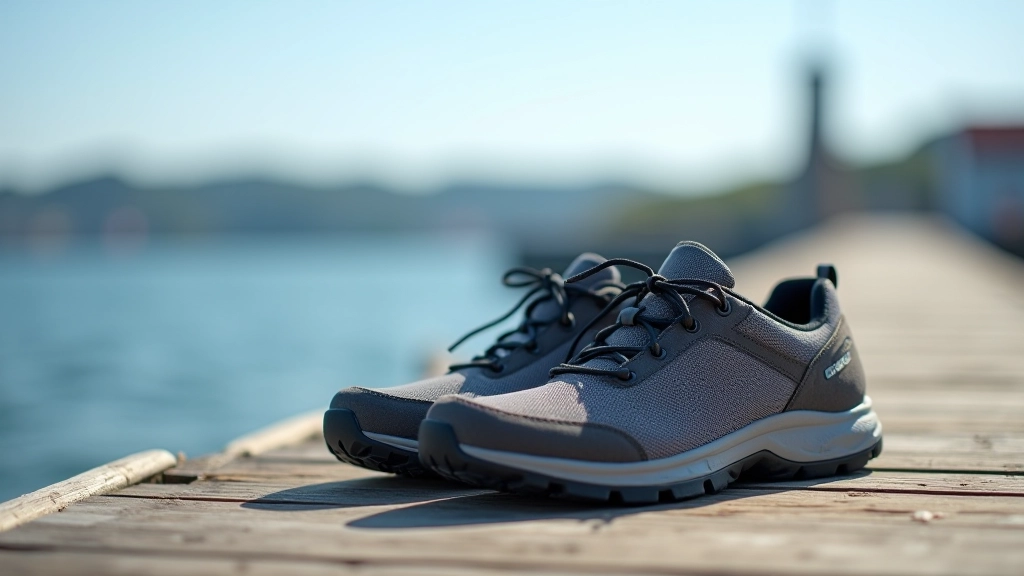
Walking the South Pier: A Gentle Route for Retirees
Step-by-step guide to the easiest harbour pier walk with rest areas and scenic viewpoints.
Discover the heritage buildings, maritime monuments, and historic sites scattered along Ventspils' charming waterfront promenade.
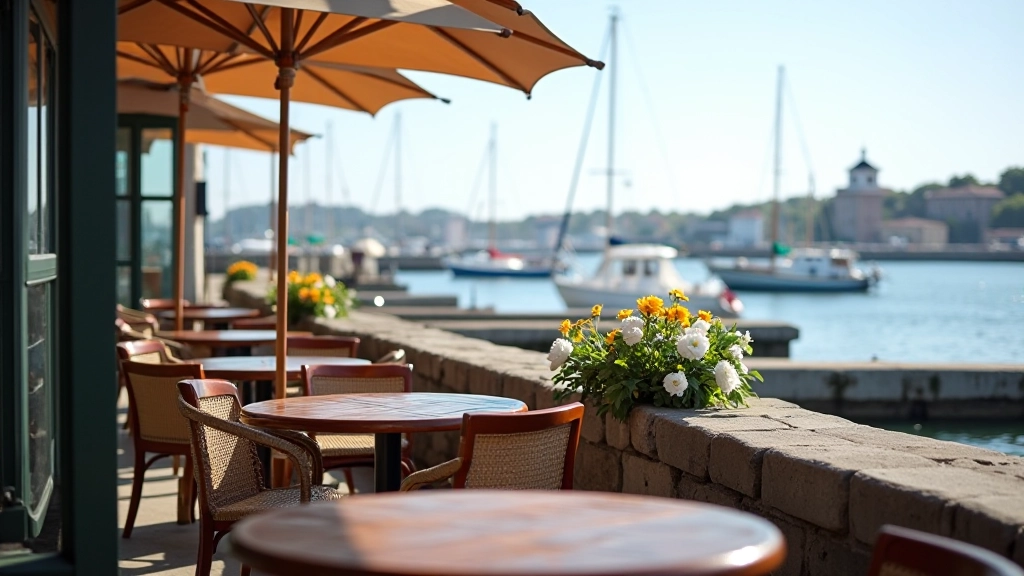
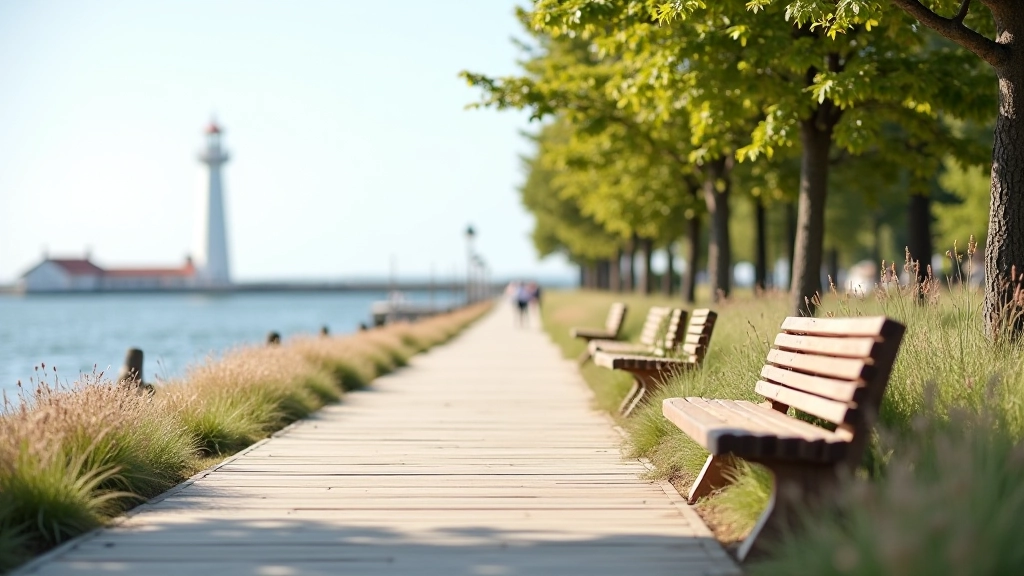
The Ventspils seaside promenade isn't just a pleasant place to walk — it's a living museum of the city's maritime past. We're talking centuries of stories, from trading vessels to lighthouse keepers, all visible in the buildings and monuments you'll encounter. The promenade stretches for about 2 kilometers along the water, and honestly, you'll want to take your time with it.
What makes this particular route special for retirees is the combination of fascinating history and thoughtful accessibility. You won't need to climb steep hills or navigate confusing paths. The promenade is flat, well-maintained, and lined with benches at regular intervals. Plus, there's genuine substance to what you're seeing — not just pretty views, but real architectural heritage with stories worth knowing.
Ventspils became a significant trading center back in the 13th century, and you'll see evidence of that prosperity scattered throughout the promenade. The town's wealth came from timber, grain, and other goods flowing through the harbor. That commercial success meant solid construction — buildings made to last.
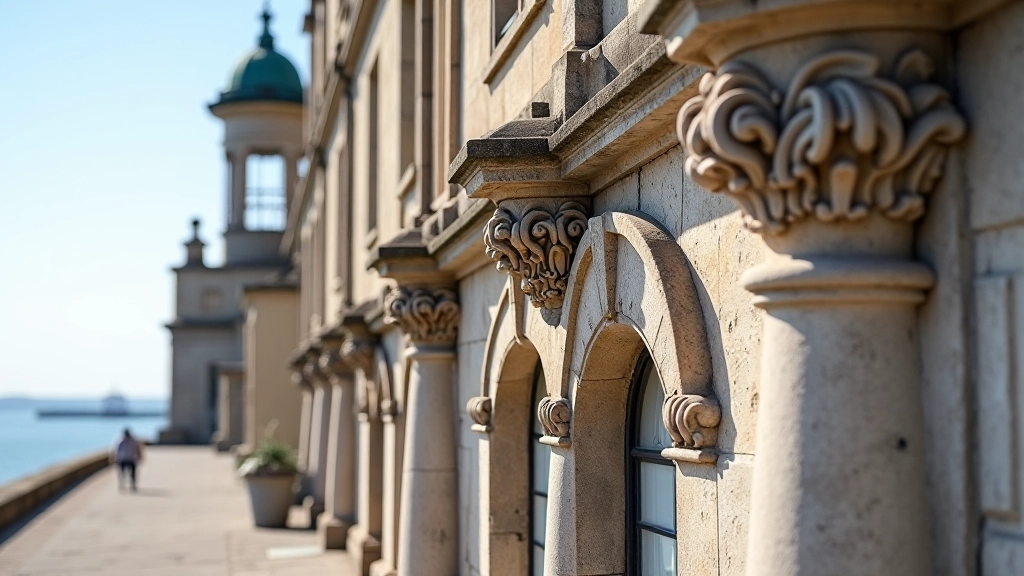
Look for the old merchant houses with their distinctive architecture. They're not flashy, but they're built right. The proportions, the materials, the attention to detail — all of it reflects a time when craftsmanship actually mattered. Some of these buildings date back 500 years, which means they've survived wars, occupations, and multiple reconstructions. That's worth pausing to appreciate.
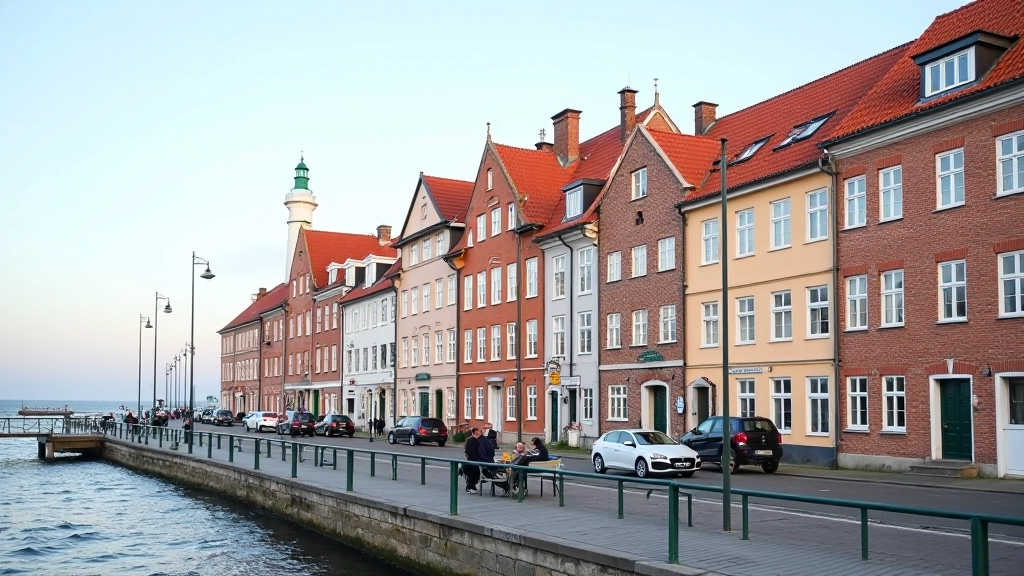
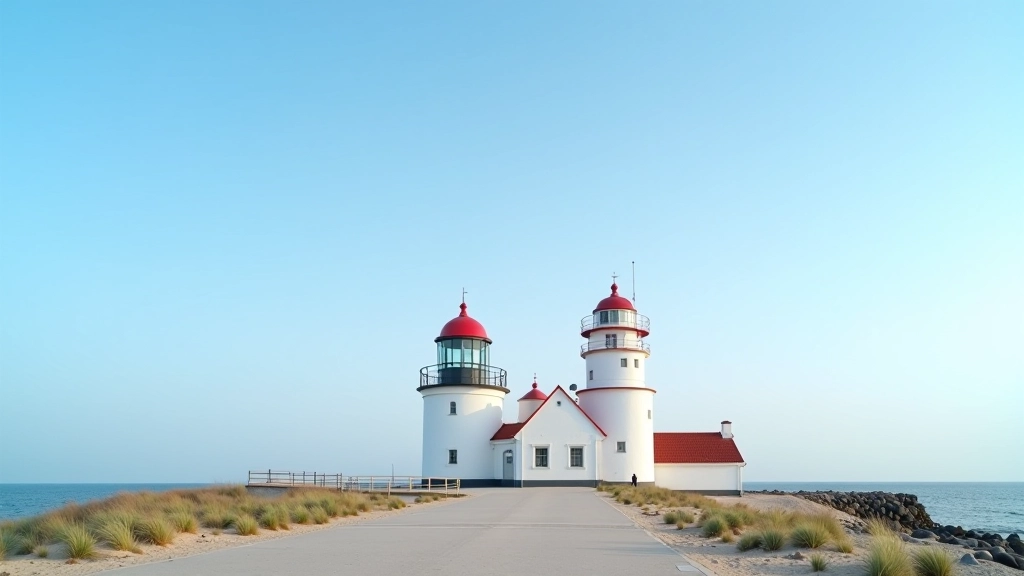
You can't miss the white lighthouse that's basically the symbol of Ventspils. It's been guiding ships into the harbor since 1863 — over 160 years of keeping mariners safe. The lighthouse stands about 40 meters tall, and from the promenade you get a perfect view of it without any climbing involved.
What's interesting is how the lighthouse represents different eras. The original structure is 19th century, but it's been modified and maintained throughout the Soviet period and the years since. It's functional, not just decorative. Ships still rely on it, even with modern GPS systems. There's something genuine about that continuity.
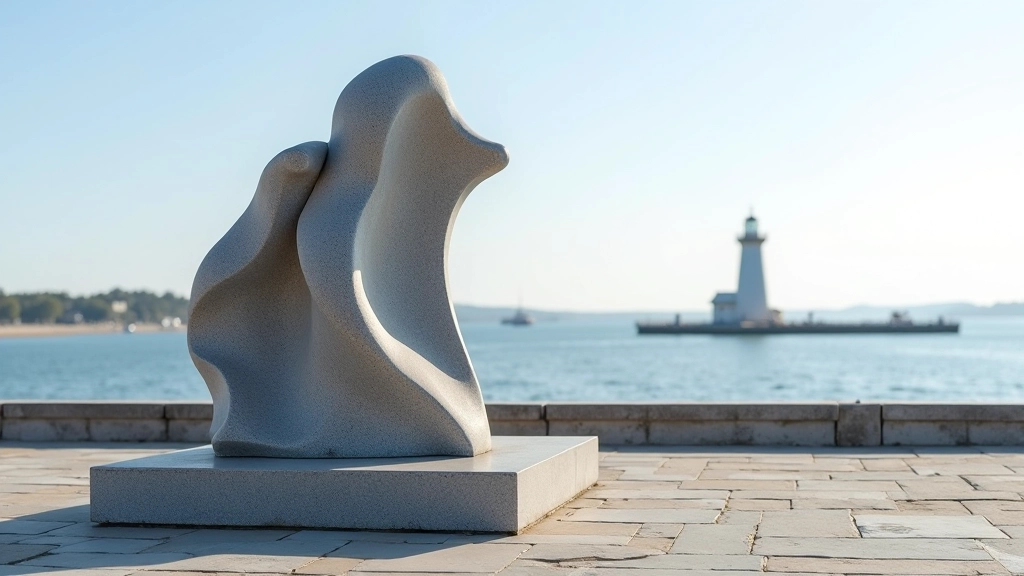
The promenade includes several monuments dedicated to Ventspils' maritime heritage. There's a sculpture garden area that honors local fishermen and sailors who didn't come home. It's sobering, but it's also respectful — these are real people remembered by their communities.
Beyond the sculptures, you'll find plaques and markers explaining specific historical events. A shipwreck memorial here, a commemoration of a famous captain there. Don't rush past these. Spend a few minutes reading them. You'll get a real sense of how the sea shaped this city — not as some romantic notion, but as the actual source of livelihood and occasional tragedy.
What makes this promenade special is that you're literally walking through different periods of construction. Medieval structures sit next to 19th-century merchant buildings. Soviet-era renovations blend with contemporary restorations. It's not confusing — it actually tells a coherent story if you know what to look for.
The oldest sections show the pragmatic building style of medieval Hanseatic traders — thick walls, small windows, defensive architecture. As you move along, you'll see buildings from the 18th and 19th centuries that reflect greater prosperity and confidence. The proportions are more generous, the decoration more elaborate. Then come the 20th-century additions, which are functional but less ornate. It's architectural history on a human scale.
A 13th-century stronghold that's been rebuilt multiple times. It's actually visible from the promenade, though the full visit requires going slightly inland. The castle represents the very foundation of Ventspils as a city.
Several buildings on the promenade date to the Livonian Order period. These structures show the influence of medieval military architecture combined with merchant practicality. It's a fascinating blend.
This area shows how medieval and early modern trading worked. The layout of streets and buildings reflects practical needs — proximity to water, defensible spaces, and efficient loading areas.
Don't overlook the 20th-century additions. They're part of the story too. Ventspils was a significant Soviet port, and you can see evidence of that period in specific buildings and infrastructure.
The Ventspils seaside promenade isn't just a scenic walk, though it's definitely that. It's a chance to understand how a city developed, how people made their living, and how communities preserve their heritage. You're not just looking at old buildings — you're reading a 700-year story written in stone and brick.
The fact that it's accessible, well-maintained, and manageable in length makes it ideal for retirees who want genuine engagement with history rather than rushed tourism. You can spend an afternoon here, take breaks whenever you want, and actually absorb what you're seeing. That's the real value of this promenade.
Ready to explore? Pair this walk with our guide on walking the South Pier for a complete harbour experience.
Informational Notice: This article provides historical and geographical information about Ventspils' seaside promenade. While we've made every effort to ensure accuracy, local conditions, building access, and restoration work may change. Always check current local information before planning your visit, and consider weather conditions and personal fitness levels when planning harbour walks. This content is for educational and informational purposes.